
El Paso Electric seeks rate increase that could add $23 a month to average household bill


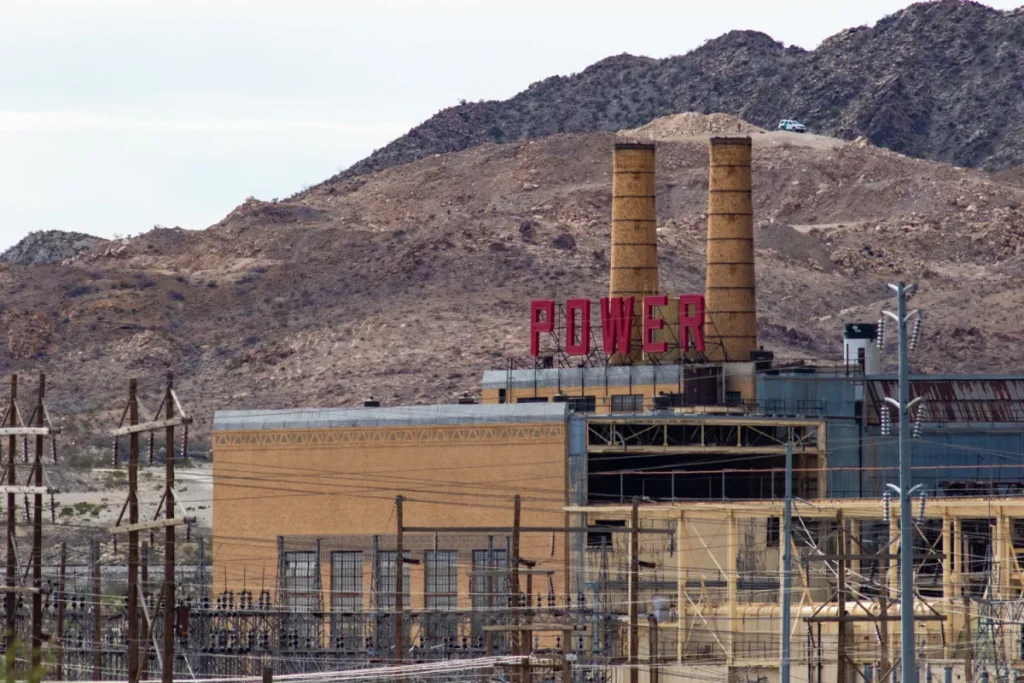
El Paso Electric on Monday said it’s seeking a rate increase that would boost El Paso households’ monthly power bills by nearly $23 on average, the starting point in what likely will be a contentious negotiation among the utility, its regulators and customers that could last a year or longer.
The rate increase El Paso Electric is proposing would lift Texas customers’ bills by 10% on average. Residential customers – who make up almost 90% of EPE’s Texas customer base – would see the biggest percentage increase in bills, which El Paso Electric is asking to lift by 19%. Small and large businesses would see bills increase by between 3% and 7.5%, while medium-sized businesses will see power bills decline by 2%.
Hours after the rate proposal was filed with the Public Utility Commission of Texas, El Paso Mayor Renard Johnson expressed concerns about the impact on ratepayers. The City Council is EPE’s local regulator and historically has had significant input on rate cases.
“I am deeply concerned about this proposed increase, as it could place a substantial burden on all El Pasoans. The preliminary estimates are significant. I will take every necessary step to ensure that our residents’ interests are protected throughout this process,” Johnson said.
El Paso Electric said its industrial and commercial customers have historically subsidized rates for residential customers, but the utility is now wanting to charge all customers what it costs to serve them. El Paso Electric’s executives prefer to have regulators and intervenors, such as the city government, decide on subsidies and where to allocate costs instead.
The last half-decade has marked a period of significant transformation at El Paso Electric, which has added a new power plant and its first major solar farm over the last two years. And the utility has built out new transmission lines and distribution wires in eastern El Paso County to ferry power into the city from incoming solar fields and battery storage arrays that the utility is building. El Paso Electric has also installed new smart meters throughout the city, and added new ways to export power to Mexico and to the Western United States.
Since the end of 2020, EPE said it has spent $1.55 billion on capital investments such as new generation resources, but also on replacing wooden power poles with steel poles and building new substations to serve power as El Paso sprawls out further, for example. El Paso Electric is asking the Public Utility Commission of Texas to let it raise rates and recover the money El Paso Electric has spent in recent years, according to Kelly Tomblin, the utility’s chief executive.
El Paso Electric plans soon to separately pursue a rate increase for its New Mexico customers.
Monopoly utilities in Texas such as El Paso Electric are overseen by the PUC, which determines the profit margin a utility is allowed to make, and regulators also approve or reject rate hike requests. Texas utilities are required to conduct a rate review at least every four years.
Monopoly utilities in the state make money by spending on capital investments, such as power plants or substations. Then, utilities ask regulators to let them set rates to recoup from customers the money the utility spent on capital assets, plus the predetermined profit margin.